
The story of Lionel Messi and Luis Suarez continues to echo through soccer, especially as their time at Barcelona remains a defining chapter. Now, former club president Josep Maria Bartomeu has brought fresh intrigue to their exits, linking past decisions to their present journey at Inter Miami in a way few expected.
Messi’s departure in 2021 marked the end of a 21-year association with Barcelona, closing one of the most iconic player-club relationships in soccer history. Despite agreeing to a reduced salary, financial restrictions and league regulations prevented the club from finalizing a new contract.
Barcelona officially cited “economic and structural obstacles” when confirming the exit, a moment that stunned fans and reshaped the club’s future. The Argentine’s emotional farewell only underlined how unexpected the situation had become, even for the player himself.
The Blaugrana’s financial crisis played a decisive role, with debts soaring and La Liga’s wage cap tightening dramatically. Even with a 50% pay cut, Messi’s contract could not be registered, as the wage bill exceeded permitted limits.
This situation created what many described as a “registration deadlock,” leaving Barca unable to retain its most valuable asset. The impact was immediate, with analysts estimating a significant drop in the club’s brand value following Messi’s exit.
What Bartomeu revealed
The narrative has taken a new turn following Bartomeu’s recent comments, which shed light on discussions that predated both players’ eventual move to the United States. “There had already been talk of a stint in Miami with both Messi and Luis Suarez,” he revealed to Cadena SER.
This claim suggests that the idea of joining Inter Miami was not spontaneous but part of a longer-term vision, potentially considered even during their Barcelona years. It adds a new layer to how their careers have unfolded since leaving Europe.
Bartomeu also defended his efforts to retain Messi, stating: “I tried to renew Leo Messi’s contract; it was essential to maintain our income level and because we were missing that player who brings a higher level of performance.”
Lionel Messi of Barcelona and Luis Suarez of Barcelona celebrate
Life after Barcelona
Following his departure, Messi joined Paris Saint-Germain before eventually moving to Inter Miami, where he has become the face of Major League Soccer. His journey reflects both adaptation and continued excellence, culminating in major achievements, including international success with Argentina.
Suarez followed a different path through European and South American soccer before reuniting with Messi in Miami. Their partnership has once again captured global attention, this time in a growing league seeking international recognition.
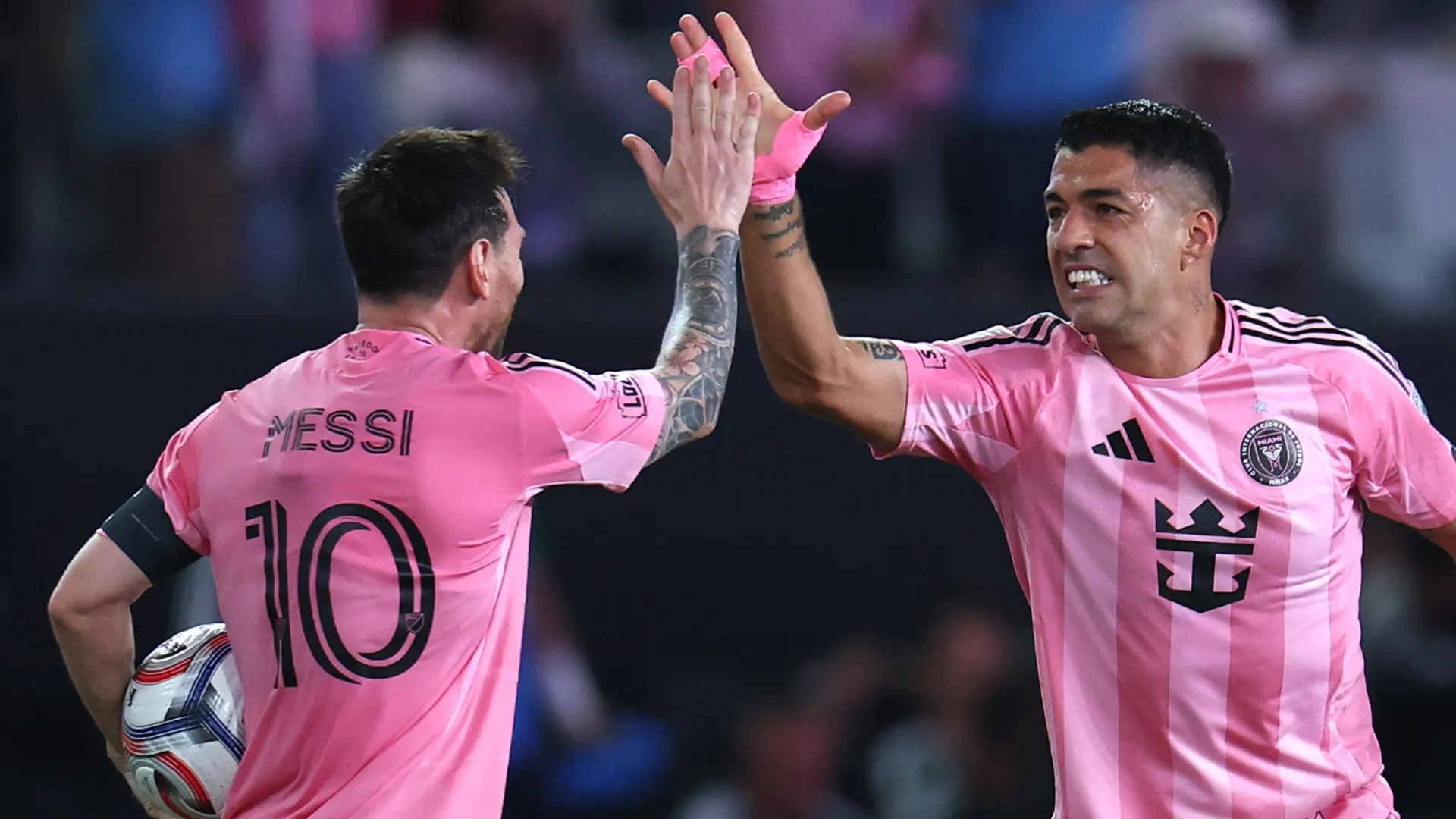
Luis Suárez #9 of Inter Miami CF celebrates with teammate Lionel Messi #10
Back in Spain, Barcelona has been forced to rebuild, both financially and competitively. The club has undergone major restructuring, reducing debt and investing in a younger squad, though the absence of Messi’s influence remains evident. Bartomeu believes the team could have benefited from keeping the Argentine longer, stating: “One or two more seasons at Barca… would have been very positive.”
PakarPBN
A Private Blog Network (PBN) is a collection of websites that are controlled by a single individual or organization and used primarily to build backlinks to a “money site” in order to influence its ranking in search engines such as Google. The core idea behind a PBN is based on the importance of backlinks in Google’s ranking algorithm. Since Google views backlinks as signals of authority and trust, some website owners attempt to artificially create these signals through a controlled network of sites.
In a typical PBN setup, the owner acquires expired or aged domains that already have existing authority, backlinks, and history. These domains are rebuilt with new content and hosted separately, often using different IP addresses, hosting providers, themes, and ownership details to make them appear unrelated. Within the content published on these sites, links are strategically placed that point to the main website the owner wants to rank higher. By doing this, the owner attempts to pass link equity (also known as “link juice”) from the PBN sites to the target website.
The purpose of a PBN is to give the impression that the target website is naturally earning links from multiple independent sources. If done effectively, this can temporarily improve keyword rankings, increase organic visibility, and drive more traffic from search results.